
How to Make Money With AI-Generated Images
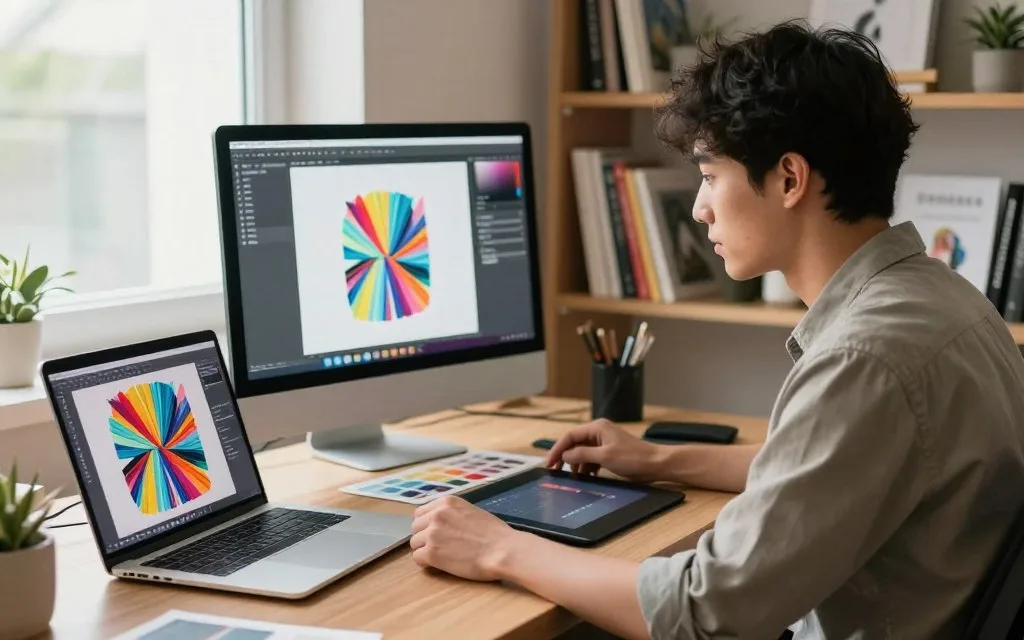
AI-generated images can earn money when you turn them into useful products or solve a visual need for a customer. Print-on-demand (POD) is a fulfillment model in which a product is printed after a customer places an order. You can build income through digital products, stock licensing, books, client services, or POD merchandise. None guarantees passive income; each path takes work to make and reach buyers.
That work may include shaping an idea, preparing files, writing listings, or answering a client. The image generator is one tool in a business, not a source of income by itself. Your strongest first move is to choose a real buyer and make something that fits their needs. Treat the first product as a small test of what buyers value, not as a guaranteed income stream.
Key Takeaways
- Choose one buyer and one clear use for your image work.
- Check tool and sales-channel terms before making items to sell.
- Test one offer before building a large catalog.
- Track costs as well as sales when measuring income.
- Expect time and customer care, even with automated fulfillment.
Can AI-Generated Images Be Sold Legally?
You can sell an AI-assisted image when the tool’s terms permit commercial use, but that permission does not automatically give the image copyright protection. Commercial permission and copyright are separate questions. Check both before using the art in a business or product.
What copyright can protect
In 2025, the U.S. Copyright Office said generative-AI output may receive copyright protection when a human author determines enough expressive elements. The Office’s 2025 copyright report explains that human-authored elements can qualify.
A human-authored work that appears in the final image may be protected. So may a creative arrangement or a meaningful modification of AI-generated material. Using AI as an aid, or adding AI material to a larger human-made work, does not by itself block protection for the human-authored parts.
Prompts alone do not establish copyright in the expressive choices made by an image generator.
This distinction matters if you plan to guard a design from copying or license it to others. Keep records of your own edits, layouts, and other creative decisions as the work develops.
Check the generator and marketplace terms
A generator’s license sets whether you may use its output commercially, and each marketplace can set separate rules. Read both sets of terms for the product and sales channel you plan to use.
Terms can differ by plan, file type, and the way you use an image. Review them before making a batch, since a rule change or plan limit can affect your intended use. Keep a copy of the applicable tool terms and a record of the human edits or design decisions behind each product.
How to Make Money With AI Generated Images
A beginner’s clearest first move is to choose one buyer and one image-based problem, then make a sample that addresses it. Start small, because useful feedback matters more than a large pile of files. You can earn through products, licensed assets, or visual services, not from an AI tool paying you.
Start with a niche and verify demand
A niche names a specific group with a shared need, such as a teacher seeking classroom visuals. These ways to make money work best when the image solves a clear task or gives a buyer a useful choice.
Use this quick demand check before developing a larger offer:
- Name the specific buyer and what they need.
- Inspect competing offers and note their prices and formats.
- Look for visual needs that appear across several listings.
- Create one sample and ask likely buyers for feedback.
Leonardo.Ai and ChatGPT can help you develop image ideas and prompts, but the sample still needs your judgment. A customer may want a certain style, file type, or subject that a general image cannot provide.
Begin with a small, workable setup
Free tool tiers can help you start with no experience or no money. Still, commercial rights may depend on the plan, so check the license before offering the result for sale.
In 2026, Midjourney’s paid plans allow commercial use of generated images. Its free-plan images do not have commercial rights, and companies earning over $1 million in gross annual revenue need a Pro or Mega plan for commercial use.
Midjourney’s 2026 commercial-use terms set those plan limits. A $100 test budget can cover a modest trial, but spend it only after checking tool rights and likely listing or sample costs.
To make money with AI in 2026, use the same paths: sell a product, license an asset, or provide a visual service. Validate interest with a small batch before paying for extra tools or producing a large catalog.
Which Digital Products Can You Sell?
A downloadable bundle is easier to evaluate when its contents and intended use are obvious before purchase. Match the files to one task, so the buyer knows what the art can do. Useful digital products include clip art, patterns, stickers, and wallpapers.
Package files for a specific use
Choose a product type that fits how the customer will use the images. A clear bundle gives each file a role instead of leaving buyers to guess.
| Product type | Example contents | File delivery | Buyer use |
|---|---|---|---|
| Clip-art bundle | 12 themed transparent PNGs | ZIP with PNG files | Class slides or invitations |
| Digital papers | 8 coordinated floral patterns | JPG files in one ZIP | Scrapbooks or paper crafts |
| Sticker pack | 20 printable garden stickers | PDF sheet and PNG files | Planners or journals |
| Wallpaper set | Phone and desktop backgrounds | Separate JPG files | Personal device screens |
These formats serve different needs: a teacher may want clear clip art, while a planner user may prefer stickers. Check that the set includes enough detail to be useful without making the product hard to browse.
Make the listing easy to understand
Use previews that show the art at a useful size and make the file contents plain. List file types, dimensions, the number of items, and any limits on use in the description.
Etsy allows qualifying AI artwork when sellers contribute original work and meet its marketplace requirements. Since July 2024, sellers have had to disclose AI use in the listing description under Etsy’s Creativity Standards.
Good product descriptions help buyers see what they receive before they pay. State whether a file has a transparent background, whether it is made for printing, and how many designs are included. Check that every preview matches the files the customer will actually receive.
Can Print-on-Demand Turn Images Into Products?
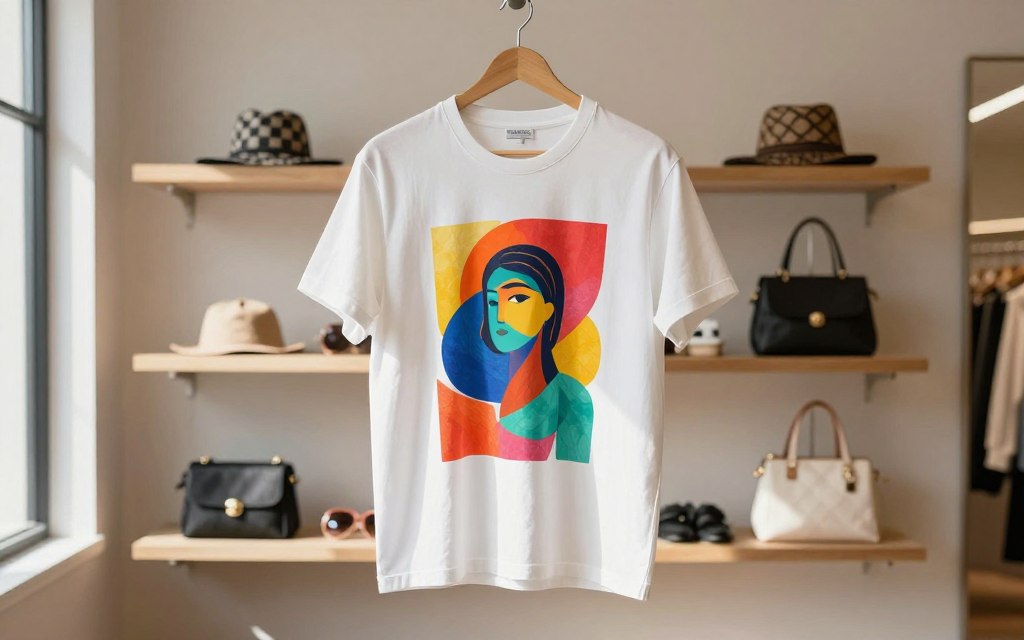
Print-on-demand makes a physical product possible without requiring you to print and store a batch in advance. The partner makes each item after an order and handles production, shipping, and delivery. You still choose the art, set the product details, and support the customer.
Choose merchandise that fits the artwork
Different products call for different image layouts. Printful, Zazzle, TeePublic, Society6, and Redbubble are examples of partners that offer print-on-demand fulfillment.
| Product | Artwork fit | Design consideration | Fulfillment |
|---|---|---|---|
| T-shirt | Bold central image | Check legibility at garment size | Partner prints and ships |
| Poster | Detailed, vertical artwork | Keep key detail inside trim area | Partner prints and ships |
| Tote bag | Repeatable pattern or simple graphic | Check how the art wraps on the bag | Partner prints and ships |
| Sticker | Single shape or small illustration | Leave room for a clean cut line | Partner prints and ships |
A detailed image can work on a poster but lose its fine lines on a small sticker. Consider the product’s size and shape before adapting the design.
Prepare and check the design
Check resolution, cropping, and color in the partner’s design preview. A file that looks sharp on your screen may lose detail when printed on fabric or paper.
Use a mockup to show the design in context, then review the actual print area. Where practical, order or review a sample before promoting the item widely. A sample can reveal color shifts or placement issues that a screen preview misses.
The POD partner handles printing and delivery after a sale, but you must give accurate product descriptions and respond to customer issues. Review each product mockup at its actual print area so important details are not cut off.
Where Can AI Images Earn Stock Royalties?
Stock licensing can extend the use of an image, but the first decision is whether the target library accepts that kind of file. Acceptance rules vary, so a submission that suits one platform may not fit another. Adobe Stock and Freepik are platforms to investigate, not proof that every library accepts AI art.
Stock assets need clear metadata, a specific use case, and the right submission category. Buyers may license them for designs, ads, or other content, so a useful title and accurate tags help describe the file.
Getty Images does not accept generative-AI visuals in its Creative or Editorial libraries. It permits limited AI-enabled edits to eligible original Creative-library work, as long as the edits do not add new visual elements, subjects, or objects.
Getty Images’ AI image limits show why you must check a library’s current category rules. Adobe Stock has separate generative-AI guidance for images, video, vectors, illustrations, and Premium Collection content. Its Firefly FAQ was last updated September 16, 2026.
Before uploading, check the file against these points:
- Submission category and file type
- Required AI label or disclosure
- Rights, releases, and any third-party content
- Image quality, size, and clean edges
- Accurate title, tags, and description
Stock licensing can add uses for an image, but acceptance is not automatic. Confirm the current submission category and AI-labeling instructions before uploading a batch.
What Can You Build Into Books and Illustrated Products?
An illustrated book earns its value from a coherent reading or activity experience, not from a set of unrelated pictures. Images are only one part of a finished product. Text, page order, layout, and a clear audience give the art a purpose.
Create a complete reader experience
Coloring books, activity books, comics, and illustrated eBooks can turn images into a product people use from start to finish. Amazon KDP is one self-publishing platform for illustrated books and recipe eBooks.
Canva can help you lay out pages, while an image tool can support the art. Treat every page as part of a sequence: a children’s activity book needs clear directions, and a comic needs images that support its story.
For work made with Canva’s AI tools, the applicable Free or Pro Content license terms depend on how the content is marked. Read the terms that apply to the asset and the way you plan to use it.
Review every page before publishing
A page check catches problems that a fast scroll can hide. Read the words in order and look at the images at the size a customer will see them.
Check spelling, image placement, page order, and consistency in character design or illustration style. Make sure the product works for its stated audience, such as a child completing an activity without adult help.
A book may look polished on a monitor and still have cramped text or awkward margins in print. Read and inspect the complete file at page size before making it available to customers.
How Can You Sell AI Image Services to Clients?
A client is more likely to understand the offer when it names the exact images and formats they will receive. Sell a defined result, such as a small ad-image set, rather than a vague promise to make art. Canva, Adobe Firefly, and ChatGPT can support parts of the visual workflow.
Package a clear visual deliverable
A clear service may include a social media campaign pack, an event illustration, or visual concepts for a book. Name the number of images, file types, and revision rounds in the offer.
For example, you could deliver four square ad images and two alternate crops. Another offer might include one book illustration with two rounds of revisions. A specific product helps a customer compare the service with their actual need.
Agree on scope and usage
Client work involves communication, feedback, and revisions, so it is not passive income. Agree on the brief before production, including the customer’s audience, image dimensions, style, deadline, number of concepts, revision limit, delivery format, and permitted uses.
Put the details that most often cause confusion in writing:
- Final file types and dimensions
- Number of concepts and revision rounds
- Delivery date and feedback deadline
- Channels where the client may use the images
Canva, Adobe Firefly, and ChatGPT may help with parts of the work, but the client is paying for a usable result. Confirm in writing who can use the finished files and for which channels before beginning production.
Are AI Prompts and Tutorials Worth Selling?
A prompt product has value when it helps a specific buyer reproduce or adapt a useful visual result. A list alone is thin; buyers need tested instructions, example outputs, settings, and tips for changing the result.
Midjourney and DALL-E have different workflows, so tool-specific directions matter. A guide should name the tool, explain where to enter a prompt, and show a sample outcome that makes the instructions easier to follow.
Possible offers include a prompt guide for a defined task, a workflow tutorial, or a niche-specific prompt collection. A teacher might need classroom scene ideas, while a small shop owner may want product backgrounds.
Include example outputs and explain which settings or model context shaped them. Show buyers how to adjust a prompt when the subject, style, or layout needs to change. That gives the product more use than a copied list of phrases.
Image tools change over time, and the same prompt may not produce the same result across versions. Check the relevant tool’s terms, and avoid promising identical outputs or a guaranteed business result.
A useful tutorial makes the buyer better at directing the tool, not just better at copying text. Label the tool and version the instructions were tested with, then revise the guide when the workflow changes.
Should You Use a Marketplace or Your Own Store?
A marketplace can expose a listing to shoppers already browsing, while a standalone store gives you more control and makes traffic your responsibility. The right channel depends on how you plan to reach buyers. Etsy and Creative Fabrica are marketplaces for digital products.
Compare discovery and control
A marketplace has its own search and browsing tools, while a standalone website gives you more say in how the shop looks. Neither channel removes the need to attract customers.
| Channel | How buyers may discover it | Seller control or traffic responsibility |
|---|---|---|
| Etsy | Marketplace search and browsing | Platform sets listing format; seller promotes |
| Creative Fabrica | Marketplace search and category pages | Platform sets listing format; seller promotes |
| Standalone website | Seller’s own links and promotions | Seller controls presentation and brings visitors |
For someone asking how to make money with AI-generated images online, the choice is between third-party marketplaces and a store you operate. Marketplaces provide a place where shoppers browse; a website gives you more control over presentation and customer experience.
Know what “free to sell” means
Selling AI images online for free is not a reliable promise. Some channels may let you open a shop without an upfront subscription, but other costs can still apply.
Listing, transaction, payment, production, and promotion costs can affect your return. A website may also need paid services or work to bring visitors, while a marketplace may charge for activity tied to a sale.
Compare the current fees and terms for the channel you choose before setting a product price.
How Do You Find Buyers and Keep Sales Coming?
A listing earns attention only when the right buyer can find it and understand what the product does. Clear information helps people judge a product before they spend time or money on it.
Improve product discovery
Write descriptive titles and accurate tags that name the subject and use. Strong previews should show the product clearly, including its scale or page layout when that affects the buyer’s choice.
Share useful process content, such as how a printable page fits into a planner. Pinterest is one social media platform that can help people find visual products. Affiliate or sponsored promotion needs clear disclosure when you have a material connection.
Regular content can help a business reach customers, but it takes time and does not promise sales. A few useful posts that show the product in context can tell buyers more than repeated sales messages.
Track the business, not just the views
Views alone do not prove that a product is selling. For a first $100 in sales, treat the amount as a small validation milestone, not promised profit, and subtract business costs.
Keep a simple record of the measures that affect your decisions:
- Store visits and listing views
- Conversion rate and completed sales
- Refunds, cancellations, and customer questions
- Production, listing, payment, and promotion expenses
- Income records for tax and business tracking
The Federal Trade Commission requires clear disclosure of material connections in endorsements. The Internal Revenue Service also provides tax and recordkeeping guidance for self-employment and online selling.
If you use analytics tools to understand visits, explain their data use through a clear cookie policy. Review sales and costs together at a regular interval so a popular listing does not hide an unprofitable offer.
Views can show interest, but only sales and costs together show whether an offer is working as a business.
Conclusion
A strong first offer is small enough to finish and specific enough for a buyer to understand. Useful art and clear packaging matter more than generating a large volume of files. A focused customer gives you a better way to judge whether the work solves a real need.
Keep the first test modest, and use buyer feedback to improve the offer. A sale is useful evidence, but it does not promise steady income or prove every version will work.
Choose one audience, create one sample product or service offer, and test it with real potential buyers before expanding.
Leave a Reply