

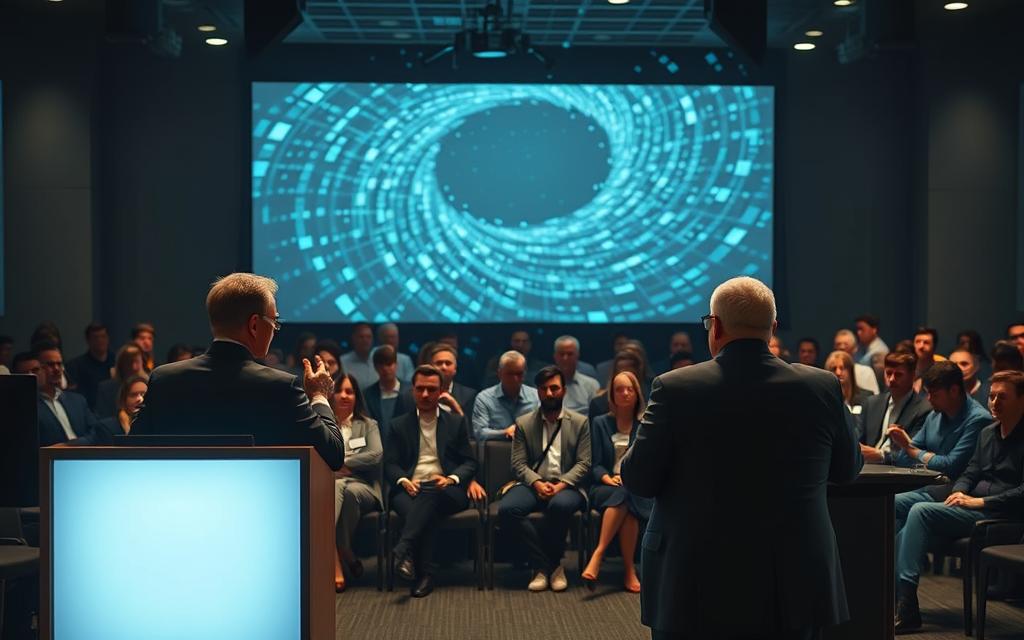
Our world today stands at a crossroads, shaped by digital innovation. Smartphones and artificial intelligence have changed how we live, work, and connect.
This progress brings both benefits and challenges. The impact of technology on society is a topic of heated debate.
Some people love how digital tools have changed communication and access to info. Others worry about privacy, mental health, and social division.
This article looks at the digital life pros and cons. We’ll see how tech has both freed and limited us in today’s world.
The technology debate needs careful thought, not quick answers. Let’s explore our digital future together.
The Fundamental Question: Is Technology a Curse or a Blessing?
Technology has a double side, making it a big question of our time. This technology dichotomy makes us wonder if our digital tools help us or harm us.
James M. Hinton’s story shows this struggle. He found real friends online but also faced global threats. This mix of connection and danger is what our digital world is all about.
Frank Kaufmann also shares his thoughts on this curse vs blessing issue. He says technology greatly improves life for those who don’t get too caught up in it. But, it can lead to addiction if not used wisely.
Related Posts:
- How Technology Innovations Are Transforming Policing…

- How Much Money Does the Technology Industry Make…
- How Technology Will Change Accounting AI Automation…

- How Technology Has Improved Agriculture Precision Farming

- What Is Micro LED Technology The Next Generation of Displays

- What Is Intel Rapid Storage Technology Used For RAID…

Andie Diemer puts it simply: “Our greatest strength can also be our greatest weakness.” This says it all about the tricky balance we face with analysing technology in our lives.
Several important points make this question so complex:
- The same platform that connects families across continents also exposes users to cyberbullying
- Devices that increase productivity can also create digital addiction
- Tools that democratise information can also spread misinformation
We can’t just see technology as good or bad. The technology dichotomy asks us to see both sides at once.
When we look at technology’s impact, we see it can be both curse vs blessing. It depends on how we use it, where we use it, and who we are. The real question is not to pick a side but to understand this dual nature.
The Blessings of Modern Technology
Modern technology has changed our world in many good ways. It helps us stay in touch with loved ones far away and has improved healthcare. These changes are some of the biggest advantages of technology today.
Revolutionising Communication and Connectivity
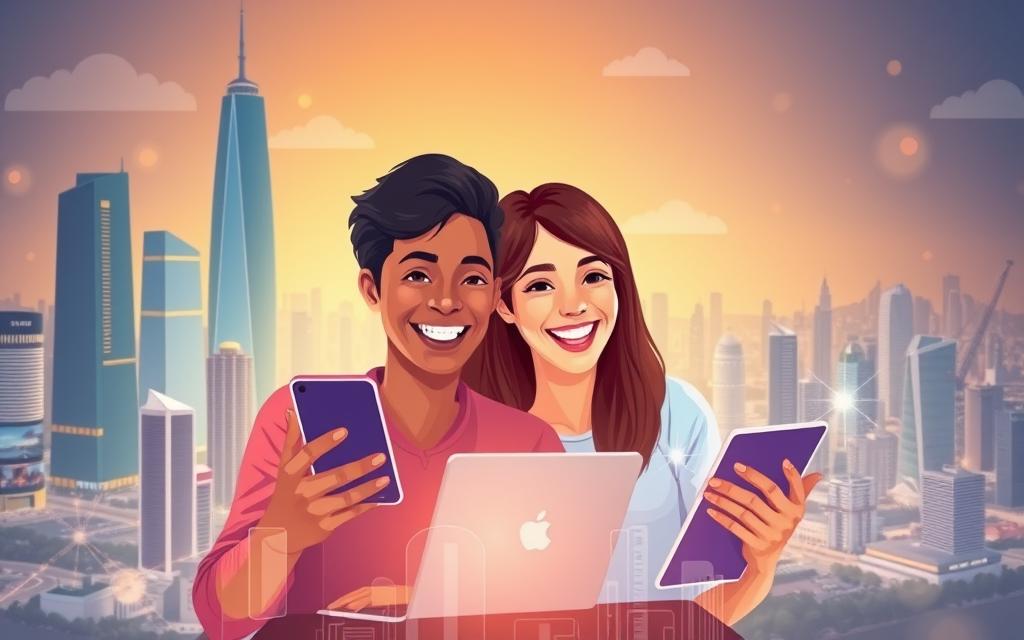
Technology has broken down barriers, making it easy to connect with people all over the world. Colin Tredoux used location-sharing tech to find his lost children in another country. This discussion overlaps with contemporary amperex publicly traded, especially for readers comparing curse blessing weighing with similar issues. Daniel Schultz uses Slack and FaceTime to work with colleagues from anywhere, keeping in touch with friends and family.
These tools have changed how we keep in touch. Leora Lawton keeps up with friends worldwide, showing how tech can bring people together. The impact of technology on our connections is huge.
Advancements in Healthcare and Medicine
Medical tech has made huge strides, saving lives and improving care. Robotic surgery and telemedicine allow doctors to give better care from anywhere. This is a big win for healthcare.
Diagnostic tools can spot diseases early, and wearables track health in real-time. These advances help us live healthier lives. They show how technology improves our health and well-being.
Economic Growth and Globalisation
Technology has driven economic growth and connected the world. Businesses can now work globally, reaching new markets and talent. This has opened up new chances for innovation and teamwork.
E-commerce lets small businesses sell worldwide, and digital payments make transactions easy. These tech benefits have made starting a business easier and created jobs in many fields.
Educational Transformation and Access to Knowledge
Technology has changed education in big ways. Interactive learning platforms make studying fun and fit different learning styles. Students now have access to vast amounts of information.
Digital skills are now taught in schools, thanks to tech. This has made learning cheaper with e-books and online resources. It’s made quality education more available to everyone.
Here are some key educational benefits:
| Educational Aspect | Traditional Approach | Technology-Enhanced Approach | Key Benefits |
|---|---|---|---|
| Learning Materials | Physical textbooks | Digital resources & e-books | Cost reduction, instant updates |
| Student Engagement | Passive listening | Interactive experiences | Improved retention, personalised pacing |
| Information Access | Library limited resources | Global knowledge databases | Unlimited research materials |
| Skill Development | Theoretical knowledge | Digital literacy integration | Workforce preparedness |
These changes show how tech makes learning better and more inclusive. The benefits of technology in education go beyond school, preparing students for our digital world.
The Curses and Challenges of Technological Progress
Technology brings many benefits but also has downsides. These disadvantages of technology affect privacy, mental health, the environment, and the economy. We need to think carefully about how to solve these problems.
Privacy Concerns and Data Security Risks
Being connected online makes our personal info more vulnerable. Companies collect a lot of data from us, raising big questions about privacy and consent.
Many people worry about their online presence and how their info might be used. Data breaches are common, putting our sensitive info at risk.
Mental Health Implications and Social Isolation
Technology can harm our mental health. The idea of “context collapse” shows how digital spaces can make us anxious about how we’re seen.
Studies link social media to more teen depression. Smartphones make us stressed and compulsive, disrupting our lives.
Even though we’re always connected online, we can feel lonely. This is a big problem with negative effects of tech on our social lives.
Environmental Impact and Sustainability Issues
Technology’s impact on the environment is huge. It includes data centres and making new devices. All this leads to a lot of waste.
The energy used by digital stuff is growing fast. We need to find ways to make tech more sustainable, but it’s hard to keep up.
Job Displacement and Economic Inequality
Automation and AI are changing jobs. This affects people without the skills for new tech jobs, making economic gaps wider.
We need big training programs to adapt to tech-driven jobs. But many places can’t afford this, leading to long-term inequality.
Access to technology also divides us. Those with good internet and devices have more chances in education, healthcare, and work. Those without are left behind.
Cognitive and Developmental Concerns
Too much tech can hurt our brains. The “Google effect” shows we remember less because we can always find info online.
Our attention spans are getting shorter because of digital media. All the notifications and info make it hard to focus for long.
Technology in schools is a big challenge. It can be distracting and hurt how well we learn and remember things.
| Problem Category | Primary Manifestations | Affected Groups | Potential Solutions |
|---|---|---|---|
| Privacy Risks | Data breaches, surveillance, identity theft | All digital users | Stronger regulations, encryption, user education |
| Mental Health Impacts | Anxiety, depression, social isolation | Heavy technology users, adolescents | Digital wellness programs, usage limits |
| Environmental Costs | E-waste, energy consumption, resource depletion | Global community | Sustainable design, recycling initiatives |
| Economic Disruption | Job displacement, skill gaps, access inequality | Workers, vulnerable communities | Retraining programs, digital inclusion efforts |
These technology problems are linked and need a big effort to solve. We must work together to make sure tech helps everyone, not just a few.
Balancing Technology’s Impact on Different Life Aspects
Technology affects every part of our lives, bringing both benefits and challenges. We need to find a balance between new tech and our well-being. This balance is important in our personal, work, and school lives.

Technology in Personal Relationships and Social Dynamics
Digital communication has changed how we stay in touch with loved ones. Technology lets us connect with people we might not see often. But, it also has its downsides.
Handwritten letters offer a depth that digital messages often lack, says Charles Ess. The move from phone calls to texts has also changed how we connect, notes Daniel Berleant. These changes affect how deep our relationships can be.
It’s key to know when tech helps our relationships and when it gets in the way. The goal is to use technology to bring people closer, not to replace real interactions.
Workplace Transformation and Professional Life
Technology has changed the way we work. Tools for remote work have made it easier for teams to work together from anywhere.
But, there are concerns, like the loss of traditional learning and the rise of short-term jobs, says Barry Chudakov. People now have to take more responsibility for their own careers.
Companies need to find a balance between using tech and keeping human skills important. The best workplaces use technology to support, not replace, human skills.
Healthcare Accessibility Versus Medical Dependency
Medical tech has made healthcare better by allowing remote visits and tracking health online. It’s helped people in remote areas get specialist care without leaving home. Health apps let people keep an eye on their health.
But, there’s a risk of relying too much on tech. It can make us feel like we’re always being watched or judged. Some worry it might make us too anxious or turn normal things into health issues.
The key is to use tech to make healthcare better, not to replace human care. The best systems use tech to support, not replace, the human touch.
Educational Opportunities Against Digital Distractions
Digital learning has opened up new ways to learn, making education more accessible. Students can learn from top schools anywhere. Tech can also adjust learning to fit each student’s needs.
But, there are challenges. Digital distractions can be a problem, and less face-to-face time can affect social skills. It’s also easier to cheat online.
To manage tech in schools, we need to use it wisely. The best approach is to mix digital tools with traditional teaching. This way, we can keep students engaged without getting distracted.
Using technology wisely in all areas of life means making choices that help us, not harm us. It’s about finding a balance that supports our well-being, not controls it.
Conclusion
Innovation is not always good or bad. The Davy lamp is a great example. It stopped mine explosions but led to more accidents by allowing deeper mining.
Today, we face similar issues. Our technology can solve problems but also create new ones. It’s how we use it that matters.
Our future with technology depends on how we use it. We need to be careful and wise. Every new technology has both good and bad sides.
We must use technology in a balanced way. Good rules, knowing how to use digital tools, and thinking about ethics are key. These things will help us avoid problems and make technology work for us.
In the end, it’s our choices that decide how technology affects us. We have the power to make it a positive force in our lives.